Home Buyers
What should I inspect in a desert home?
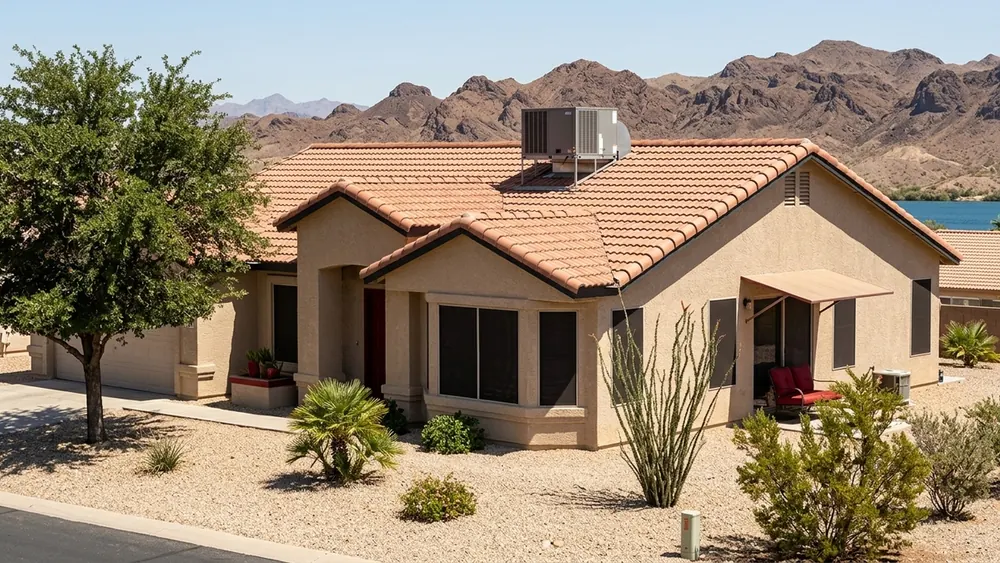
In a desert home, give cooling, roofing, plumbing and sun exposure a close look before you buy, ask how the home performs in summer heat, and confirm condition with a licensed home inspector rather than relying on appearances.
On this page
The direct answer for desert buyers
In a desert home, the systems that work hardest deserve the closest look: cooling, roofing, plumbing and anything exposed to strong sun. Ask how old the cooling system and roof are, how the home holds up through the summer, and what records the seller can share. Then let a licensed home inspector confirm the condition. A home can look finished on a mild day and still have questions waiting for the first long stretch of heat.
This matters in Lake Havasu City because the climate puts steady demands on a house. Sun, heat and dry air affect materials and systems in ways a buyer from a cooler place may not expect. Knowing where to look helps you ask better questions during a showing, read an inspection report with more context, and decide which findings are routine upkeep and which ones deserve a follow up.
None of this replaces a professional inspection. The goal of this article is to help you arrive prepared, so you know what to point out, what to ask the seller, and what to bring back to Cheryl Graner when you are weighing an offer. Condition questions always go to a licensed home inspector, and anything about permits or local rules goes to the City of Lake Havasu City or official Mohave County sources.
Cooling comes first in the desert
The cooling system is the first thing many desert buyers ask about, and for good reason. Ask the seller for its age, service records and any recent repairs. During a showing, notice whether rooms feel evenly cool and whether the system sounds steady. Ask how the home performs in the middle of summer, not just on the day you visit. A licensed home inspector can tell you what they observe and whether another professional should take a closer look.
Ductwork, vents and thermostats are part of the same question. A system can run well and still cool some rooms poorly if air is not reaching them. Ask about any rooms that run warmer, any added units, and how the home is shaded. If you plan to be away part of the year, ask how the system is usually set when the home sits empty, and what the seller has done to keep it running well between visits.
Do not try to judge remaining life or replacement cost yourself. Those are questions for a licensed home inspector and, if needed, a qualified service professional. What you can do is gather the records, note what you noticed, and bring both to the inspection. Cheryl can help you decide which findings belong in a request to the seller and which are simply part of owning a home here.
Roofs, sun and the outside of the home
Strong sun is hard on roofs, seals, paint and anything made of plastic or rubber. Ask the seller how old the roof is and whether it has been repaired or recoated. Look at ceilings for stains and at the edges of the roof for wear you can see from the ground. A licensed home inspector will assess the roof itself. Your job is to ask for the records and point out anything that caught your eye.
Sun exposure also affects how a home feels. Notice which rooms get afternoon sun, whether windows have shading, and how warm the patio or yard feels at different times of day. If you are touring a lake view home, the same windows that frame the view may also bring in heat. That is not a reason to skip a home, but it is a reason to ask how the owner manages it.
Outdoor features need the same attention. Patios, shade structures, gates, fencing and any pool equipment all live in the sun. Ask about their age and upkeep, and whether permits were pulled for additions. Permit questions go to the City of Lake Havasu City or official Mohave County sources, not to a guess. If a feature matters to how you plan to use the home, make sure the inspector looks at it.
Plumbing and water questions to raise
Plumbing in a desert home can face its own wear. Ask the seller about the age of the water heater, any past leaks, and any work done on supply lines or drains. During a showing, look under sinks and around fixtures for signs of moisture. Questions to raise with the seller and the inspector include the following.
- How old the water heater is and whether it has been serviced
- Whether there have been leaks, repairs or replaced lines in the past
- How the home’s water and sewer service are provided at this property
- Whether any outdoor irrigation or drip lines are working and maintained
Water service, sewer connections and anything about water or flood questions should be confirmed with official sources, and condition with a licensed home inspector. For a manufactured home or a land purchase, utilities and access raise further questions, so ask for records early and check what applies to that property with official Mohave County sources and the right professionals before you rely on an answer.
Who answers each inspection question
Part of a calm inspection is knowing who to ask. Cheryl can help you organize the questions and decide what to bring to the seller, but each answer belongs to the person responsible for it. This table gives you a simple starting point to keep with your notes as you tour homes and review reports.
| Question | Why it matters | Who to ask |
|---|---|---|
| What is the condition of the cooling system | It works hardest through the desert summer | A licensed home inspector |
| How old is the roof and was it repaired | Strong sun wears roofing and seals over time | The seller, then a licensed home inspector |
| Were additions and patio covers permitted | Unpermitted work can raise questions later | The City of Lake Havasu City or Mohave County |
| What does insuring this home involve | Climate and features can affect coverage | An insurance agent |
| Do HOA rules affect repairs or exteriors | Some changes may need approval first | The HOA documents for the property |
Use the table as a checklist, not a verdict. A finding on an inspection report is information, and what you do with it depends on the home, your plans and the rest of your list. If something needs a deeper look, ask the inspector who should evaluate it next, and bring the answer to Cheryl before you decide how to respond to the seller.
How your plans change the inspection
How you plan to use the home changes what you look for. If the home will sit empty part of the year, ask how systems are set while the owner is away, and think about who will check on the property. If you want room for an RV or boat, look closely at driveways, gates and side yards, and confirm the rules for that property with the City of Lake Havasu City and any HOA documents.
Buying from out of state adds one more layer. If you cannot attend the inspection, ask the licensed home inspector whether you can join by video or review findings with them afterward. Ask for photos of anything noted in the report. Distance makes it tempting to skim, so set aside time to read the full report and write down every question before you respond to the seller.
What to write down before you tour
Before your first tour, prepare a short list so each showing builds toward an informed decision. Bring it to every home, and add notes as you go, including photos of anything you want to ask about later. Comparing several homes is much easier when every set of notes covers the same points. These are the items worth writing down for any desert home in Lake Havasu City.
- The age of the cooling system, roof and water heater, with any records
- Rooms that felt warm, windows facing strong sun and any shade added
- Additions, patio covers or structures you will ask about permits for
- Questions for the inspector, the HOA documents and an insurance agent
When you have those notes, bring them to Cheryl Graner. Cheryl can help you see which questions to ask the seller, which belong to the inspector, and which are routine parts of owning a home in the desert. Start with whatever is on your mind, and you will leave knowing what to check next and who to ask, without any pressure to rush the decision.
This article is general information about buying and selling homes in Lake Havasu City and nearby Mohave County communities. It is not legal, tax, lending, title or inspection advice and does not predict prices or promise results. Confirm RV parking and HOA rules with the City of Lake Havasu City and HOA documents, lake and flood questions with official sources, financing with a lender, and property condition with a licensed home inspector. Cheryl Graner, HomeSmart.

Written by